Inventory

Kovant holds cover on every item.
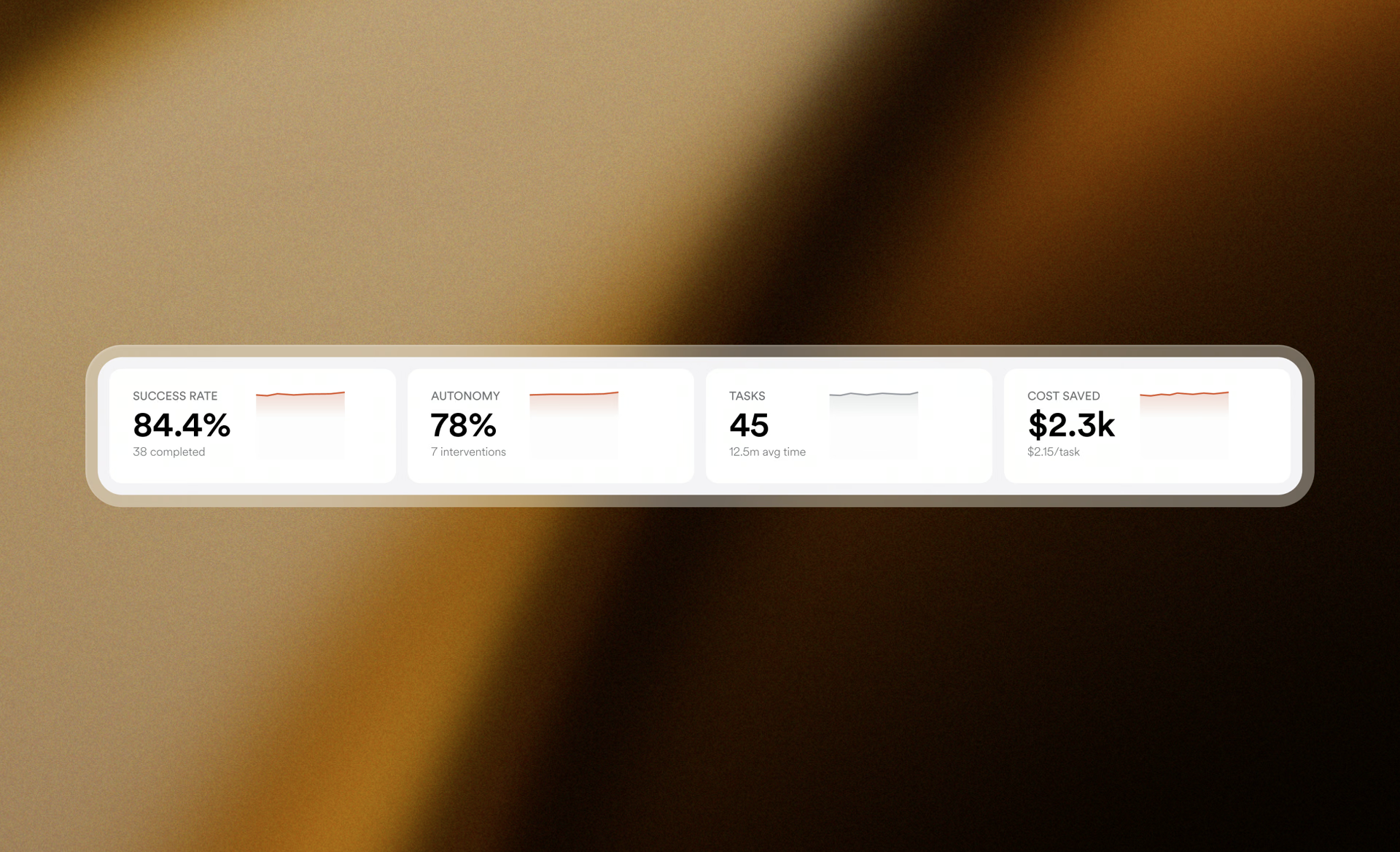
It sets how much stock sits where and for how long, then releases the replenishment behind those targets. Targets move with demand, at your target service level.
Cover and safety stock
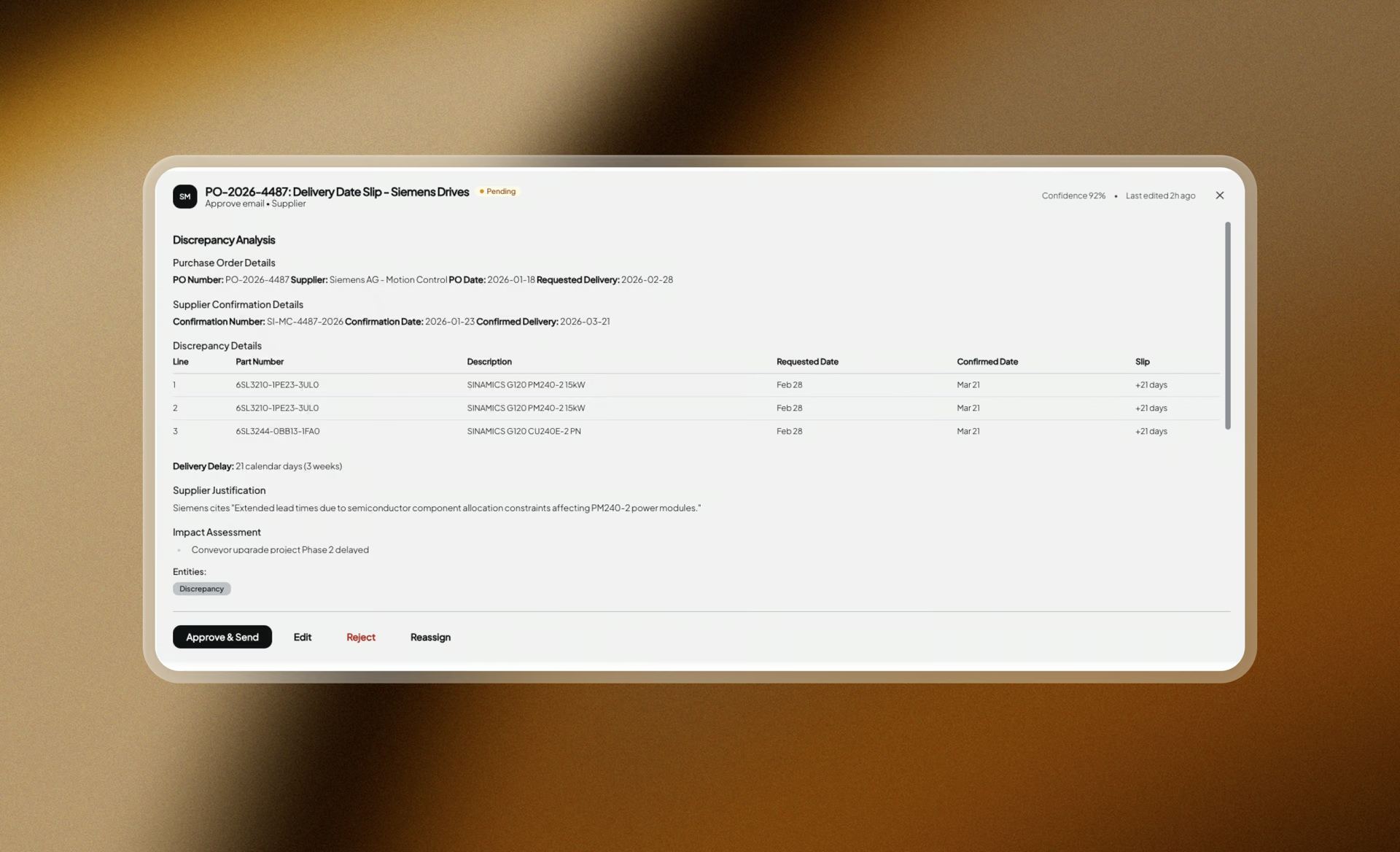
Agents recalculate reorder points per item, using demand variability, supplier lead time variability and your service level target, continuously rather than on a cycle.
Agents set safety stock to your chosen service level, so each item carries the cover its segment justifies and no more.
Agents change the review cadence per item, so fast movers are reviewed on their own rhythm and slow movers stop absorbing unnecessary attention.
Replenishment
Agents release purchase orders when the trigger fires, deciding quantity, timing and routing at release.
Agents adjust in-flight orders when demand or lead time moves after placement, before the wrong quantity arrives.
Agents escalate anything above your thresholds to a named owner, with the reasoning attached.
Network balancing
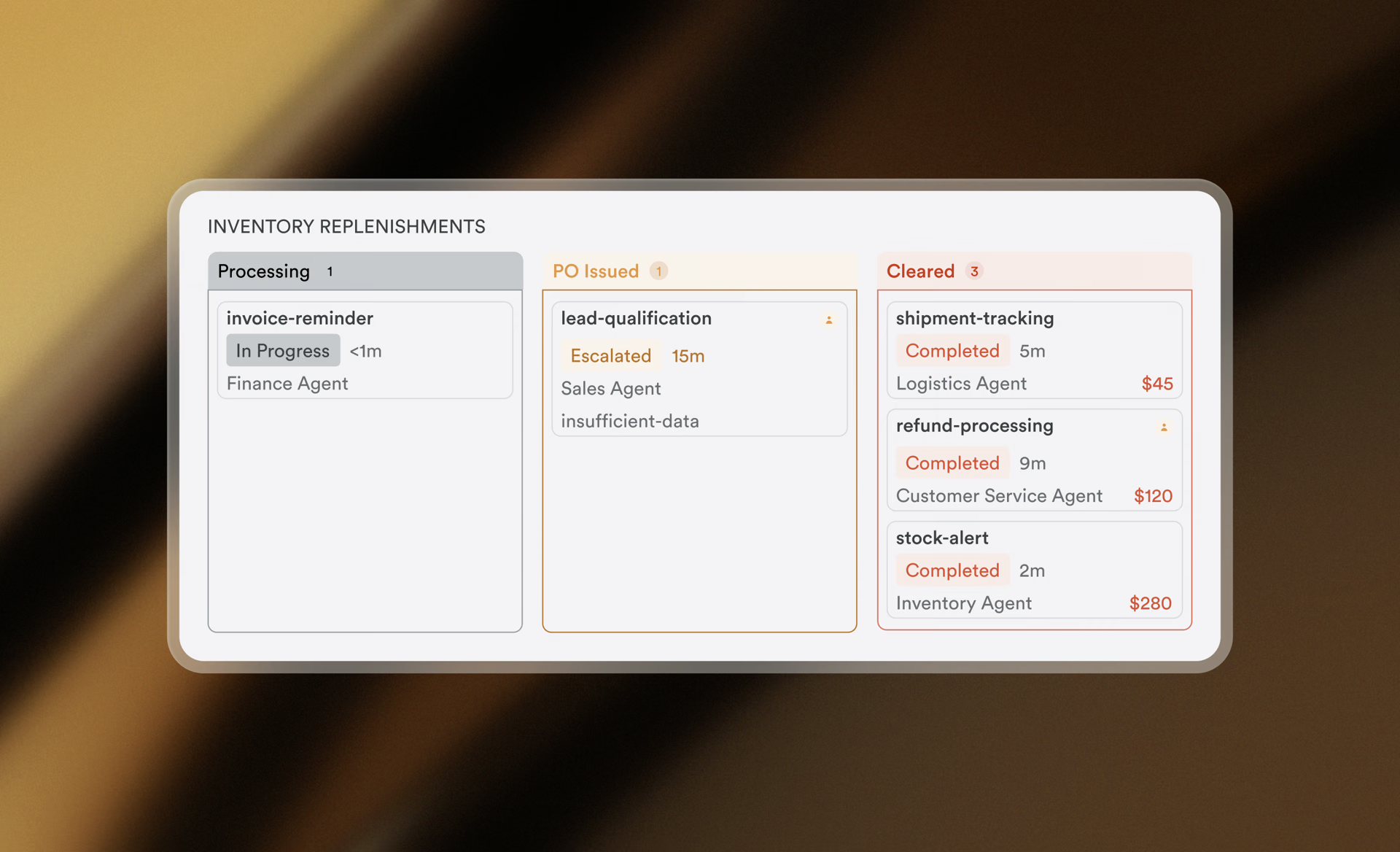
Agents hold positions across warehouses, distribution centres and stock in transit as one view, and find surplus in one location against shortfall in another.
Agents raise a transfer where the network already holds what is needed, before any new purchase.
Agents weigh transfer cost, carrying cost and stockout risk to decide between moving the stock and leaving it in place.
Frequently asked questions
You do, per segment or per item. Agents set cover and safety stock to reach it and reset both in step with demand and lead times. The service level itself never changes without a decision by a person.
No. Your planning system stays in place and keeps its role. Agents read the position it holds, release the replenishment behind the targets in your ERP and write every action back, so the systems you own stay the record.
The first operation goes live in weeks, on your own data. You start with one lane, prove it against your own numbers, then add the next.
See it running on your own book.